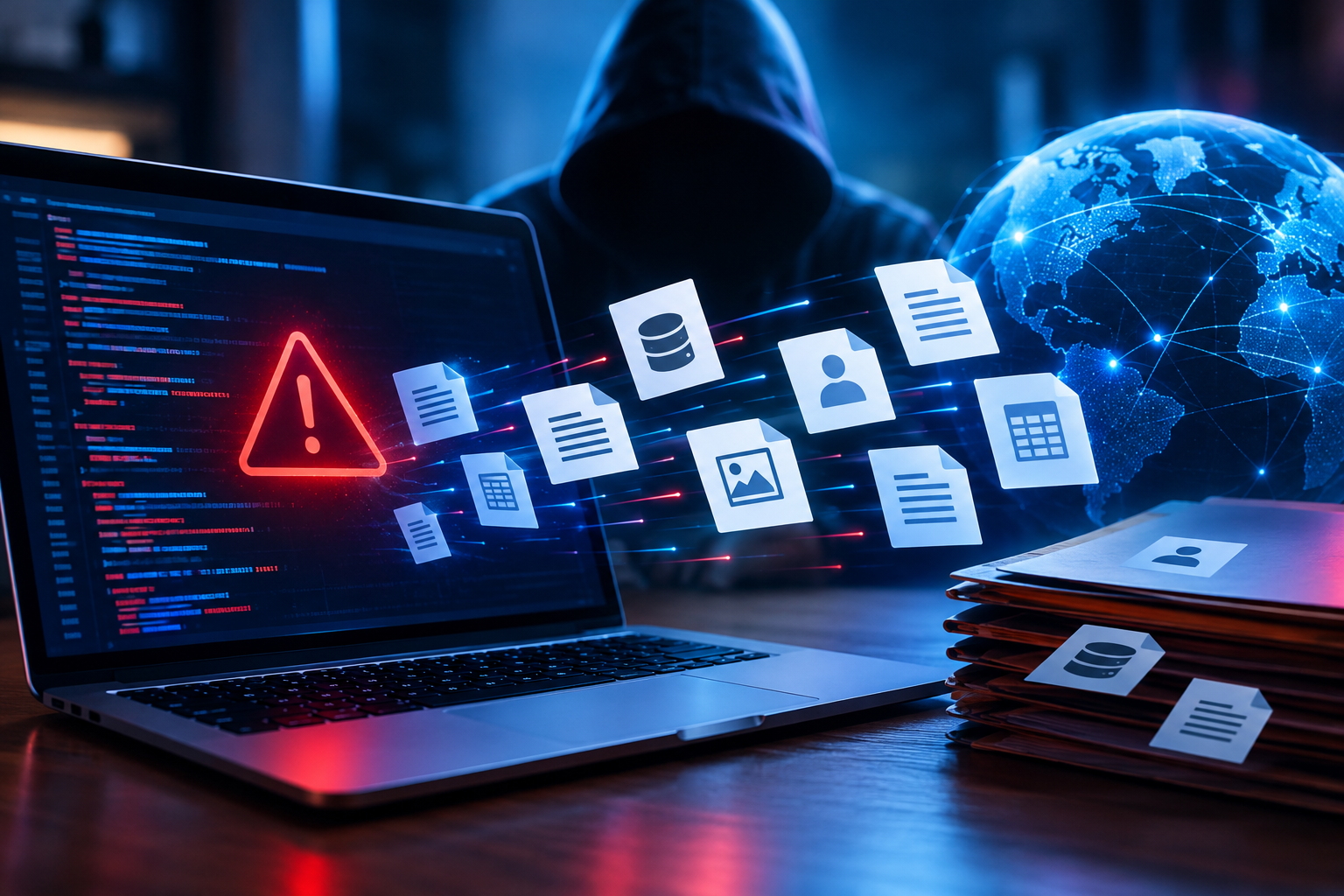
There are ongoing cybersecurity, data privacy, and unauthorized information sharing issues in the digital world. When the names of unusual identifiers or unfamiliar websites are linked to a potentially sensitive digital content, it can generate a lot of discussion on the web. There is one such topic that has been found in online articles or even on search engine results, it is TheJavaSea.me Leaks AIO-TLP370.
This phrase has sparked confusion for technology users, cybersecurity researchers and the general public trying to figure out what it means, where it’s coming from, and how it’s going to affect them. But before learning about the subject, it is necessary to know how to differentiate the information that is true from the information that is not yet confirmed online.
AIO-TLP370 is linked to alleged leaked or piggybacked digital content that came from TheJavaSea.me. The nature, provenience, and extent of the material has not yet been positively determined by reliable public evidence. This article delves into the subject, uncovers the possible cybersecurity consequences and offers some tips for keeping personal data safe in today’s digital age.
What is TheJavaSea.me Leaks AIO-TLP370?
TheJavaSea.me Leaks AIO-TLP370 is a search term that is linked to alleged leak-related digital content. In online discussions it is referred to by various terms such as ‘archives’, ‘bundled files’, ‘datasets’ and other digital resources.
AIO is a widely-used abbreviation and is generally understood to mean ‘All In One,’ but this does not necessarily mean the contents of the actual package. Likewise, what the TLP370 means is not known.
Note that just because a file name, website has been mentioned, or there is an online discussion does not automatically mean that a cybersecurity incident has happened. There is no definitive inventory of the alleged material, confirmed number of affected individuals or authenticated source for the package that has been reported in the public domain.
The subject is still not an actual cybersecurity incident, but rather an unverified leak-related identifier, as indicated by recent online coverage (Cite refs={[“turn324050search0″,”turn324050search1″,”turn324050search2”]}/)
Understanding the Possible Sources
One of the most critical steps when discussing digital leaks is to determine the source of the leaks. Online information can come from a variety of sources and the same information can be copied, renamed, and reposted several times.
The potential sources from which the leaks may come include:Old databases that have been republished with new names.
- Unauthorized collection of digital files.
- Compiled material found on several online sources.
- Sharing archives via 3rd party websites or online communities.
- Falsified or misleading documents to capture attention.
These are general descriptions of how the material could be circulated because of the leak. They don’t specify the source of AIO-TLP370.
Evidence from a reliable source (such as an official announcement of an incident, a security researcher or a body tasked with investigating cyber incidents) must be submitted to get reliable verification.
Why AIO-TLP370 Has Attracted Attention
The increasing popularity of TheJavaSea.me Leaks AIO-TLP370 is indicative of a larger issue concerning digital privacy and cyber security.
These days, people are turning to online services for communication, shopping, financial transactions, entertainment and professional activities. This can impact many users as a result, questions regarding exposure of information and unauthorized digital distribution can come up.
There are several factors that make up public interest:
- Cybersecurity awareness: Users want to know what threats there are to their personal information.
- Online privacy issues: Users are becoming more aware of the collection and sharing of their personal information.
- Repeated conversations: Can help make words like “leak” more visible in search engine results.
- Digital fanatics: Are interested in strange file names and computer security subjects.
- Account protection: Users want to know if they can take any further measures for protection.
As a result of these concerns it is essential to talk about alleged leaks carefully and not having unverified claims as well verified facts.
Potential Cybersecurity and Privacy Impact
Even if the specifics of a particular leak are not yet known, there can be genuine security risks from distributing information without permission.
Personal information accessed from a genuine datasets could be used for phishing, account takeover, identity fraud or targeted scam.
Typical vulnerabilities for data disclosure are:
1. Account Security Problems
If the credentials are disclosed, they can be a problem if the users use the same username and password in other websites. A password gained in one account might be used to try to access another account.
2. Social Engineering and Phishing
Personal information can make it easier for scammers to send more convincing messages. They might include recognizable names, services, or other information to make it more likely that recipients will click suspicious links or provide sensitive information.
3. Privacy Concerns
Unauthorised disclosure of personal information can impact on a person’s right to privacy and leave them in doubt about the use of their information.
Business and organizational Risks
If data is known to have been exposed, organizations should consider investigating exposed systems, auditing security measures, informing affected parties, and enhancing existing security policies.
Here are some general effects of data disclosure. They are not to be considered as proof of any specific incident or impact on any specific organization caused by AIO-TLP370.
How to Protect Yourself From Digital Leak Risks
Whether you are directly involved in a specific alleged leak, or not, there are several things you can do to make your online security stronger.
These are some of the recommended practices for security:
- Use different passwords for accounts that are important online.
- Use two or more methods of authentication where possible.
- Do not download files from untrusted sites.
- Check account activity and log out from new logins.
- Ensure operating systems, browsers and security software are up to date.
- Use trusted services to verify for known credential exposure.
- Watch out for unsolicited e-mail, text and attachments.
Don’t divulge personal data with untrusted sites.
The steps are intended to lower the risk of phishing, credential abuse, and other prevalent cybersecurity threats.
Reliable Sources are important
TheJavaSea.me Leaks AIO-TLP370 is a site that is worth researching, but readers should not blindly trust the information they find.
Web articles can cite the same facts but not offer independent evidence. A lot of search results doesn’t imply that any specific allegation has been verified.
Information from sources that provide explanations for their information, name the organizations involved, and differentiate confirmed information from speculation is more likely to be reliable.
It is recommended to readers to seek:
- Information from the organizations involved.
- Articles by well known cybersecurity experts.
- Authentic news reporting from sources known.
- Technical explanations supported by evidence
- Make clear separations between verified findings and unverified claims.
This works to avoid the spread of misinformation and responsible awareness of cyber security.
The Future of Cybersecurity and Digital Privacy
Digital technology is constantly evolving and cybersecurity will continue to be a critical issue for individuals and organizations in the future.
To minimize threats to unauthorized access, businesses are increasingly implementing more stringent authentication, encryption, security monitoring and data protection policies.
Artificial intelligence is also being leveraged to assist cybersecurity efforts, such as detecting suspicious behavior, assessing risk, and enhancing incident response.
Meanwhile, users should be aware of their responsibilities for digital security. Navigating the internet safely, managing accounts responsibly and being aware of the risks can help ensure safer online experiences.
Conclusion
TheJavaSea.me Leaks AIO-TLP370 is a subject that has been discussed in online forums and is linked to alleged leaks or re-distributions of digital content. Its exact provenance, contents and effect have yet to be determined with reliable public evidence.
The subject sheds light on the larger issue surrounding cyber security, online privacy, and the flow of potentially sensitive data. Readers should look for credible sources and for effective security measures rather than relying on sensational headlines or unverifiable claims.
People can enhance their online security by implementing these measures: using unique passwords, enabling multifactor authentication, avoiding suspicious downloads, and verifying online information.
In an era of constant change in cybersecurity, the values of trust and safety will be upheld by responsible sharing of information and conscientious checks.